
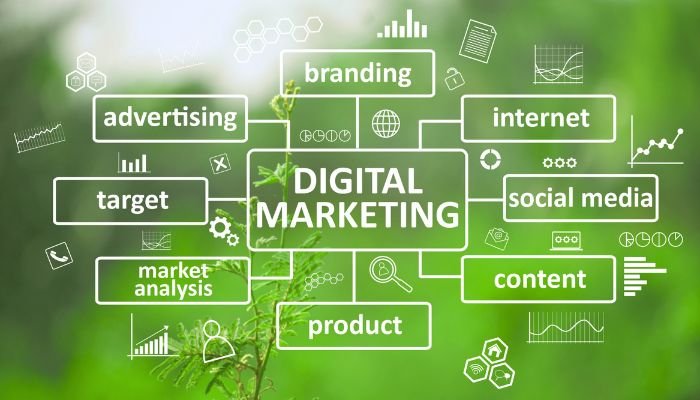
The digital marketing landscape has reached a historic inflection point. The strategies, tools, and playbooks that defined the early 2020s—characterized by high-volume content production, third-party cookie tracking, and highly manual advertising campaigns—have evolved. In 2026, we are operating in a mature, AI-integrated digital ecosystem where trust, data privacy, and technological sophistication dictate market leadership.
For years, digital marketing relied on standard visibility metrics: ranking on page one of Google, accumulating social media followers, and broadcasting generic email newsletters. Today, the widespread integration of large language models (LLMs), the complete deprecation of traditional tracking mechanisms, and the rise of autonomous AI purchasing agents have fundamentally altered consumer behavior.
Marketers face unique challenges:
The “Zero-Click” Reality: Generative search engines and AI assistants solve user queries directly on search results pages, reducing traditional organic click-through rates (CTR) by up to 58–61% for informational queries.
Content Saturation and the “Average” Trap: Generative AI has made content creation effortless, leading to an explosion of generic, surface-level articles. To stand out, brands must pivot to deep, original, and experiential storytelling. Diversifying your output is essential, which is why you should explore content marketing: beyond the written word for better reach.
The Death of Third-Party Cookies: Advertisers can no longer rely on cross-site tracking to target buyers. First-party data acquisition and server-side tracking are now foundational operational requirements.
To achieve sustainable growth, brands must stop chasing short-term hacks and instead deploy a highly structured, integrated matrix of modern digital marketing strategies. This comprehensive blueprint breaks down the 10 essential online marketing strategies required to secure market share, drive high-intent conversions, and build enduring brand equity in 2026.
The 2026 Digital Marketing Landscape: Key Trends & Statistics
Before executing new campaigns, organizations must understand the empirical data shaping modern consumer channels. Strategic decisions in 2026 are guided by clear indicators of search engine evolution, privacy regulations, and video consumption habits. Staying ahead requires keeping a close eye on the top digital marketing trends for 2026 to adapt your approach
High-Impact Marketing Statistics for 2026
Search Engine Shifts: AI Overviews (such as Google’s Search Generative Experience) and conversational LLM platforms process more than 45% of total search queries, significantly reducing traditional informational website traffic. A core component of any online presence is understanding the future of SEO in an AI world to maintain search visibility.
Content Demands: A HubSpot survey indicates that 83% of successful marketing professionals believe prioritizing “quality over quantity” is the only viable method for driving measurable content marketing ROI in 2026.
The Value of Video: Video remains a highly effective channel, with approximately 88% of marketers identifying video assets as their highest-return-on-investment media type.
The Cookie Deprecation Impact: Over 90% of leading enterprise brands have fully migrated to server-side tag management and first-party data platforms to preserve tracking accuracy and comply with strict global privacy laws.
Economic Scale: The global digital advertising market is projected to reach $786.2 billion, with retail media networks and mobile channels absorbing more than 54% of total promotional spending.
| Traditional Approach | 2026 Modern Strategy |
|---|---|
| Mass programmatic SEO content | High-information-gain content hubs |
| Third-party browser cookies | Server-side tracking & first-party data |
| High-volume “post & ghost” social media | High-engagement social commerce |
| Keyword-based keyword research | Entity-based SEO & topical map modeling |
| Disconnected multichannel marketing | AI-automated omnichannel customer journeys |
Strategy 1: Generative Engine Optimization (GEO) & Next-Gen SEO
Traditional Search Engine Optimization (SEO) focused on optimizing web pages for static ranking algorithms based on keyword placement, backlink profiles, and domain authority. In 2026, SEO strategies have evolved into Generative Engine Optimization (GEO).
| Step | What Happens |
|---|---|
| 1. User Query | The user enters a question or search request. |
| 2. AI Search Engine (RAG) | The AI receives the query and begins processing it using Retrieval-Augmented Generation (RAG). |
| 3. Retrieval Phase | The system searches trusted, authoritative, and structured data sources to gather the most relevant information. |
| 4. Generation Phase | The AI synthesizes the retrieved information into a clear, accurate answer with citations where applicable. |
| 5. Cited Brand Mentions & Source-Rich Output | The final response includes trustworthy references, cited sources, and relevant brand mentions, improving credibility and user trust. |
[ User Query ]
                     │
                     ▼
       ┌───────────────────────────┐
       │   AI Search Engine (RAG)  │
       └─────────────┬─────────────┘
                     │
         ┌───────────┴───────────┐
         ▼                       ▼
┌─────────────────┐     ┌─────────────────┐
│ Retrieval Phase │     │ Generation Phase│
│ (Scrapes highly │     │ (Synthesizes    │
│  authoritative, │     │  answer and     │
│  structured database  │ citations)      │
└─────────────────┘     └────────┬────────┘
                                 │
                                 ▼
                    ┌─────────────────────────┐
                    │  Cited Brand Mention /  │
                    │   Source-Rich Output    │
                    └─────────────────────────┘
Modern search engines do not merely list pages; they use Retrieval-Augmented Generation (RAG). The AI engine processes the query, retrieves data from a highly select pool of web documents, and generates a unified, natural-language response directly on the Search Engine Results Page (SERP). To drive organic traffic, your site must be selected as a citation source within these AI-generated overviews.
Shift from Keywords to Entities and Topical Maps
AI search engines use vector databases to evaluate the relationships between concepts, known as entities.
To optimize for entity-based search:
Build Comprehensive Topical Maps: Instead of writing disconnected articles targeting single search terms, construct a highly structured cluster of interlinked pages covering every aspect of a subject.
Establish Clear Semantic Relationships: Use precise relational language. For instance, instead of writing “Our software helps with marketing analytics,” write “Our marketing analytics platform, [Brand Name], integrates directly with Shopify to analyze real-time sales conversion data.” This helps LLMs easily map your brand to relevant business categories.
Technical Schema Markup Configuration
To make your website machine-readable, schema markup is critical. Search engine crawlers rely heavily on structured data to parse and verify the authenticity of your content.
Implement the following JSON-LD schemas across your platform:
ProfilePage Schema: Use this to define the author’s credentials, directly supporting Google’s Experience, Expertise, Authoritativeness, and Trustworthiness (E-E-A-T) guidelines.
Product and Organization Schema: Include explicit fields for pricing, availability, aggregate user reviews, and return policies to ensure inclusion in AI product comparison boxes.
Example: Advanced JSON-LD Schema for an Industry Expert Author
{
  "@context": "https://schema.org",
  "@type": "ProfilePage",
  "mainEntity": {
    "@type": "Person",
    "name": "Sarah Jenkins",
    "jobTitle": "Principal Digital Strategist",
    "worksFor": {
      "@type": "Organization",
      "name": "Nexus Marketing Group"
    },
    "knowsAbout": [
      "Digital Marketing",
      "Search Engine Optimization",
      "First-Party Data Architecture"
    ],
    "alumniOf": {
      "@type": "EducationalOrganization",
      "name": "Stanford University"
    },
    "sameAs": [
      "https://www.linkedin.com/in/sarah-jenkins-digital",
      "https://twitter.com/s_jenkins_marketing"
    ]
  }
}
Actionable GEO Optimization Checklist
Publish Original Research and Proprietary Data: AI engines prioritize citing unique, primary data over rehashed definitions.
Optimize for Conversational Long-Tail Queries: Structure H2 and H3 subheadings as clear questions, followed immediately by direct, concise answers of 40–60 words.
Strengthen Digital PR and Co-Mentions: Ensure your brand is frequently cited on high-authority, independent third-party platforms, such as industry publications and forums. LLMs evaluate your authority based on mentions across the broader web
Strategy 2: Content Hyper-Quality & “Information Gain”
The programmatic content boom of recent years has led to significant search index bloat. Because generative tools can produce readable articles in seconds, the internet is flooded with identical-sounding copy. In 2026, content marketing strategies must focus on Information Gain.
Understanding Information Gain
Information gain is a metric that evaluates whether a piece of content adds new, unique value to the existing pool of web information. If your article contains the same structure, facts, and conclusions as the top five ranking pages on Google, its information gain score is zero. Search engines increasingly deprioritize duplicate or derivative content in favor of unique, human-centric perspectives.
Information Gain Score
                               │
       ┌───────────────────────┴───────────────────────┐
       ▼                                               ▼
[ Zero/Low Gain ]                              [ High Gain ]
* Rehashed AI copy                             * First-party case studies
* Generic definitions                          * Proprietary experiment data
* Stock imagery                                * Unique video/audio embeds
* Synthesized web search                       * Contrarian expert insights
Structuring Content Hubs for Maximum Depth
Rather than posting multiple short, superficial blog posts weekly, successful brands in 2026 build comprehensive Resource Hubs
A robust content hub structure includes:
The Pillar Page: A comprehensive, authoritative guide (typically 3,000+ words) that provides an overview of an entire topic.
Sub-Topic Cluster Pages: Highly specialized supporting articles (1,500+ words) that dive deep into specific aspects of the parent topic.
Consistent Internal Interlinking: Clear, descriptive anchor text linking sub-topics back to the main pillar page, signaling topical depth to crawlers.
The Multi-Format Content Integration Blueprint
Modern audiences consume media across multiple touchpoints. Every high-value written asset should be paired with supporting formats:
Short-Form Video Embeds: Insert a 60-second summary video at the top of long-form articles. This accommodates different learning styles and increases on-page dwell time, a positive user engagement signal.
Interactive Calculators & Tools: Instead of simply explaining a concept, build a simple interactive tool (e.g., an ROI calculator or self-assessment wizard) directly into the page.
Downloadable Templates: Offer native, highly practical checklists, templates, or worksheets in exchange for first-party contact details.
Crucial Step: Content Pruning and Optimization
More content is no longer better. In 2026, content pruning is a highly effective tactic to recover declining search visibility.
Audit Your Content Index: Use tools like Screaming Frog or Ahrefs to identify low-performing pages (e.g., pages with zero organic visits and zero backlinks over the past 12 months).
Apply the Pruning Protocol:
Merge: Consolidate multiple thin, overlapping articles into a single authoritative guide. Set up 301 redirects to preserve link equity.
Improve: Rewrite outdated articles with fresh data, expert quotes, and interactive elements.
Delete: Remove highly outdated, irrelevant pages that no longer serve your target audience, returning a clean 410 or 404 status. This optimizes your crawl budget, ensuring search bots focus on your highest-performing pages.
Strategy 3: AI-Driven Personalization & Predictive Analytics
In 2026, personalization goes far beyond inserting a contact’s first name into an email subject line. Modern digital marketing 2026 practices leverage predictive AI models that dynamically adjust user experiences based on real-time behavior, historical intent, and predictive scoring models.
Transitioning to Intent-Driven Digital Experiences
Instead of directing all traffic to a static landing page, use predictive tools to customize the page layout dynamically for different user groups:
[ User Visits Site ]
                               │
                    ┌──────────┴──────────┐
                    ▼                     ▼
             [ Segment A ]         [ Segment B ]
             Enterprise Lead       SMB Self-Serve
                    │                     │
                    ▼                     ▼
             Dynamic Enterprise    Dynamic SMB
             Value Prop & CTAs     Pricing & Trial
Enterprise Prospects: Automatically highlight platform security compliance, API documentation, and case studies featuring Fortune 500 logos.
SMB / Self-Serve Users: Emphasize transparent pricing plans, quick-setup video tutorials, and interactive free-trial call-to-actions.
Implementing Predictive Funnel Optimization
Predictive scoring models analyze historical user journeys to forecast future behaviors. By processing hundreds of behavioral variables (e.g., dwell time on technical docs, email interaction rates, demo video completion), AI tools assign a real-time propensity score to every contact.
Step-by-Step Predictive Marketing Workflow
Consolidate Customer Data: Integrate your CRM (e.g., Salesforce, HubSpot) with a Customer Data Platform (CDP) to create a single, unified profile for each lead.
Set Up Event Triggers: Define key high-intent micro-conversions, such as downloading pricing PDFs or viewing API documentation.
Train the Propensity Model: Deploy machine learning models to identify the specific behavioral pathways that historically yield the highest customer lifetime value (LTV).
Deploy Automated Interventions: When a user’s behavior indicates a high probability of churn, automatically trigger a personalized outreach campaign or discount offer. If they show strong buying intent, alert your sales development team immediately.
Strategy 4: Social Commerce & Short-Form Video Dominance
Social media is no longer just a channel for brand awareness; it has become a primary transaction engine. The lines between content consumption and digital checkout have blurred, making social commerce a core pillar of modern social media marketing. Building a community is easier when you focus on mastering social media engagement strategies across all platforms.

┌───────────────────────────────────────────────────────────────┐
|                  The Social Commerce Funnel                   |
├───────────────────────────────────────────────────────────────┤
|  1. Discovery  --> Short-Form Video (TikTok/Reels/Shorts)      |
|  2. Validation --> User-Generated Content (UGC) & Live Q&As    |
|  3. Checkout   --> Native In-App Payment (TikTok Shop, etc.)  |
└───────────────────────────────────────────────────────────────┘
The Power of Native Social Commerce
Modern social platforms have built highly optimized, low-friction checkout flows directly into their interfaces:
TikTok Shop: Enables direct product purchases directly from short-form videos and live streams.
Instagram & YouTube Shopping: Users can tap tagged items in videos, shorts, or posts to complete purchases without leaving the app.
By removing the need to click out to an external website, these integrated commerce tools significantly improve conversion rates on social channels.
Social Search Optimization (SSO)
An increasing number of younger consumers use TikTok, Instagram, and YouTube as their primary visual search engines. Rather than searching for “best lightweight hiking boots” on Google, they search on social media to see real-life product demonstrations and reviews.
To rank for search queries on social platforms:
Optimize Captions and Video Transcripts: Write descriptive, keyword-rich captions. Speak clearly during the first five seconds of your video, as platform algorithms transcribe audio to determine topical relevance.
Incorporate On-Screen Text Elements: Use native in-app text overlays containing key search phrases.
Deploy Strategic Hashtags: Use a mix of broad category hashtags (e.g., #DigitalMarketing) and highly specific, long-tail search terms (e.g., #SEOTrends2026).
Scale User-Generated Content (UGC) Workflows
Consumers trust peer reviews and raw, unedited product demonstrations far more than polished corporate advertisements. Building an ongoing UGC program is essential to maintaining trust.
The Micro-Creator Strategy: Partner with a network of niche creators (typically 5k–30k followers) who maintain highly engaged, trust-based communities. Focus on creator authenticity and unique perspectives over raw follower count.
Automated Creator Workflows: Use tools like Insense or Billo to scale creator outreach, brief generation, and asset management, ensuring a steady stream of high-converting social creative assets.
Strategy 5: First-Party & Zero-Party Data Collection in a Privacy-First Era
The era of relying on third-party tracking pixels to target audiences across the web is over[9]. To run highly effective online campaigns, businesses must shift to a first-party and zero-party data strategy[3].
Zero-Party Data (Explicit) * Conversational quizzes
* Customer preference surveys
* Interactive product finders
│
▼
First-Party Data (Behavioral)
* On-site purchase history
* Email interaction logs
* Server-side custom eventsDefining the Data Types
First-Party Data: Behavioral metrics and transactions captured directly on your owned digital channels (e.g., page views, purchase history, newsletter signups)[3].
Zero-Party Data: Information that customers proactively and intentionally share with your brand (e.g., preferences, product expectations, budget, and pain points gathered through interactive quizzes).
Tactics for Zero-Party Data Capture
To encourage users to share their information, offer clear value in return.
Interactive Product Recommendation Quizzes: Guide consumers through a 4-step personalization quiz (e.g., “Find Your Perfect Skincare Routine”). This helps the user find the right product while providing your team with highly actionable customer preference data.
Interactive Benchmarking Calculators: Allow B2B prospects to input their company metrics to receive a customized performance report comparing them to industry averages.
Preference Centers: Give users granular control over their email communication frequency and content preferences, encouraging accurate profile data.
Upgrading to Server-Side Tracking
Traditional web browser pixels are often blocked by ad-blockers, browser tracking protections, and device privacy updates (such as Apple’s App Tracking Transparency). This can lead to underreported ad conversions and inefficient spend.
To ensure data integrity, businesses must implement Server-Side Tracking via Google Tag Manager (sGTM) or direct platform APIs (e.g., Meta Conversions API, TikTok Events API).
[ Client Browser ] ──(Only Server Events)──> [ Private Cloud GTM Server ] ──> [ Ad Platform API ]By routing events through your own cloud-hosted server (using custom domains), you bypass client-side browser limitations. This ensures accurate conversion tracking, improved website performance, and greater control over the data shared with third-party platforms.
Strategy 6: High-Intent, Privacy-Preserving Email Marketing
Despite the growth of messaging apps and social channels, email marketing remains one of the highest-ROI direct marketing strategies. However, the approach has changed. In 2026, success is driven by deep subscriber segmentation, automated contextual workflows, and strict technical deliverability.
[ Advanced Lifecycle Flows ]
                             │
         ┌───────────────────┼───────────────────┐
         ▼                   ▼                   ▼
[ Welcome Sequence ]  [ Browse Abandonment ] [ Winback Loop ]
Triggers when user    Triggers when user     Triggers when customer
subscribes via quiz.  views high-tier        shows zero brand
Delivers targeted,    product page without   activity for 45
intent-based content. purchase.              consecutive days.
Implementing Dynamic Behavior-Based Workflows
Static broadcast emails are increasingly ignored. High-performing programs rely on dynamic workflows triggered by specific user interactions:
High-Intent Browse Abandonment: Trigger a highly personalized, value-focused email sequence when a regular customer views a specific product or service page multiple times without completing a checkout.
Post-Purchase Education Series: Rather than immediately cross-selling, send a sequence of helpful tutorials, usage guides, and best-practice tips to ensure the customer gets the most out of their purchase, reducing return rates and building trust.
Dynamic Re-Engagement Playbook: Automatically identify declining activity patterns and trigger personalized win-back workflows before the user disengages completely.
Technical Deliverability & Security Protocols
Failing to maintain modern email authentication standards can cause campaigns to end up directly in spam folders. Marketers must properly configure and audit key security protocols:
SPF (Sender Policy Framework): Specifies which mail servers are authorized to send email on behalf of your domain.
DKIM (DomainKeys Identified Mail): Adds a digital signature to emails, verifying that the email was not altered in transit.
DMARC (Domain-based Message Authentication, Reporting, and Conformance): Tells receiving mail servers how to handle emails that fail SPF or DKIM checks.
BIMI (Brand Indicators for Message Identification): Displays your official brand logo next to your emails in supported inboxes, helping to build immediate trust and improve open rates.
Strategy 7: Omnichannel Automation & AI-Native Marketing Operations
Modern marketing departments rely on marketing automation to coordinate operations across multiple touchpoints and manage complex customer lifecycles.
[ Lead Capture ]
                                 │
                      ┌──────────┴──────────┐
                      ▼                     ▼
               [ API Integration ]    [ Lead Scoring ]
                      │                     │
                      ▼                     ▼
               ┌─────────────────────────────────┐
               │  Omnichannel Routing Engine     │
               │  (ActiveCampaign, HubSpot, etc.)│
               └──────────────┬──────────────────┘
                              │
         ┌────────────────────┴────────────────────┐
         ▼                                         ▼
   [ Email Track ]                           [ SMS/App Track ]
   Delivers deep,                            Sends critical,
   highly detailed                           time-sensitive updates
   educational resources.                    and event notifications.
Connecting the Marketing Technology Stack
To prevent fragmented customer experiences, key platforms must be deeply integrated:
CRM & Marketing Automation Integration: Ensure your customer relationship management platform (e.g., HubSpot, Salesforce) actively syncs data with your marketing engines[21]. Every demographic update, web interaction, and product checkout should trigger immediate, relevant communication updates.
Robust API Management: Use custom webhooks or enterprise automation tools (such as Zapier, Make, or custom API pipelines) to orchestrate data across your customer support, sales, and analytics systems.
Scoring Leads by Buying Intent
Avoid treating all contacts the same. Implement a predictive lead scoring framework to dynamically route contacts based on active buying signals:
Explicit Scoring Variables: Assign points based on demographic alignment (e.g., job title, company revenue, geographic market).
Implicit Behavioral Variables: Add points for high-intent actions, such as visiting your pricing page (+15), viewing a case study (+10), or attending a live webinar (+20).
Negative Scoring Overrides: Deduct points for indicators of low fit, such as visiting career pages (-15) or showing long periods of inactivity (-10).
Once a contact crosses your designated threshold, the automation system should automatically route the lead to your sales team for direct outreach.
Strategy 8: Omnichannel Paid Advertising & Predictive Bidding
In 2026, pay-per-click (PPC) and paid media channels are highly automated. Ad networks use advanced machine learning algorithms to automate targeting, ad placement, and real-time bid adjustments. Modern performance marketers must shift focus from manual keyword management to creative performance and data feeding
┌─────────────────────────────────────┐
              │      Performance Max / Advantage+   │
              └──────────────────┬──────────────────┘
                                 │
         ┌───────────────────────┼───────────────────────┐
         ▼                       ▼                       ▼
  [ High-Value Assets ]  [ Audience Signals ]    [ Offline Data ]
  Raw video hooks,        1st-party lists,        Sales pipeline status,
  dynamic catalog feeds,  lookalike cohorts,      verified purchase
  expert copy variations. and seed lists.         conversions (via API).
Leveraging Next-Gen Ad Networks
Google Performance Max (PMax): Automates asset distribution across Search, YouTube, Display, Discover, Gmail, and Maps using unified campaign parameters.
Meta Advantage+: Automatically optimizes targeting, ad design, and placement across Facebook and Instagram to drive maximum conversion value.
Programmatic Connected TV (CTV): Delivers highly targeted video ads directly to streaming platforms on home TVs, combining the precision of digital audience targeting with high-impact video storytelling.
Shifting Focus to High-Quality Creative Assets
Because audience targeting is largely automated, the creative asset itself has become your primary targeting tool. The quality, messaging, and relevance of your ad determine which audiences engage.
To scale creative asset production:
Dynamic Creative Optimization (DCO): Provide ad networks with multiple headline options, body copy variations, lifestyle images, and video clips. The platform will automatically test and assemble the highest-performing combinations for different user segments.
Diverse Content Hooks: Test multiple video opening hooks (e.g., problem-centric, contrarian, statistical, visual) within the first 3 seconds of your ads to capture attention early.
Platform-Native Formatting: Ensure all video assets are natively formatted for vertical formats (9:16) on mobile-first platforms like TikTok, Instagram Reels, and YouTube Shorts.
Closing the Loop with Offline Conversion Tracking
To optimize AI-driven bidding algorithms, feed deep, high-value conversion data back into your ad networks via offline conversion tracking:
The Problem with Raw Leads: Optimizing campaigns solely for raw lead signups can train ad algorithms to find low-intent, low-cost contacts.
The Solution: Use server-to-server integration tools to send down-funnel sales milestones back to your ad networks (e.g., when a lead schedules a demo, qualifies for sales, or completes a contract). The platform’s algorithm then learns to target prospects who resemble your actual buyers, rather than just casual browsers.
Strategy 9: Conversion Rate Optimization (CRO) in a Frictionless Economy
With acquisition costs rising, improving on-site conversion efficiency is critical. Modern conversion optimization practices prioritize speed, accessibility, and dynamic personal customization to streamline the user path to purchase.
[ User Enters Checkout Loop ]
                             │
         ┌───────────────────┼───────────────────┐
         ▼                   ▼                   ▼
[ Mobile Optimization ] [ Biometric Pay ]   [ Dynamic Landing Pages ]
Core Web Vitals         Apple Pay, Google   Adapts headlines and CTAs
optimized, sub-1.5s     Pay, and instant    based on visitor referral
load speeds.            checkout options.   channel.
Optimizing for High-Speed and Mobile Checkout
Sub-1.5 Second Load Speeds: Slow websites directly impact conversion rates. Optimize Core Web Vitals by compressing media, leveraging content delivery networks (CDNs), and deferring non-essential scripts.
Frictionless Biometric Payments: Integrate rapid payment tools (such as Apple Pay, Google Pay, and single-tap checkout options) to allow users to complete purchases quickly using native device authentication.
Implementing Dynamic UX Customization
Referral-Specific Value Propositions: Ensure landing page headings and copy align with the user’s referral source. If a user clicks an ad highlighting “Enterprise Security,” the destination landing page should dynamically prioritize security certifications and compliance documentation.
Intent-Based Dynamic Call-to-Actions (CTAs): Automatically display the most relevant next step for each visitor. Show “Schedule a Demo” for high-intent enterprise visitors, and “Watch 2-Minute Product Tour” for early-stage informational traffic.
Establishing a Data-Backed Testing Process
Avoid making design changes based on internal assumptions. Implement a structured experimentation framework:
Analyze Behavior with Heatmaps: Use tools like Hotjar or Microsoft Clarity to identify points of friction, confusing navigation elements, or ignored CTAs.
Formulate Clear Hypotheses: Write test hypotheses in a structured format: “By changing the hero product image from a static graphic to an interactive 3D model, we will increase product-page conversion rates by 8% because users can better inspect product features.”
Run A/B/n Tests: Use dedicated experimentation tools to run split tests with statistically significant sample sizes before rolling out updates site-wide.
Strategy 10: Brand Authority, Subject Matter Experts (SMEs), & Creator Networks
As generative AI makes content production highly accessible, establishing authentic brand trust and authority is more critical than ever[1][7]. To build lasting relationships, modern organizations must prioritize human expertise, community connection, and active subject matter advocacy[1][8].
Trust-Based Authority Architecture
                                     │
         ┌───────────────────────────┼───────────────────────────┐
         ▼                           ▼                           ▼
[ SME Thought Leadership ]  [ Dedicated Customer Forums] [ Co-Branded Media Hubs ]
Publish deep, expert-level  Build private Slack/Discord  Host partner webinars,
insights and white papers.  groups for direct support.   collaborative studies, etc.
The Power of Subject Matter Experts (SMEs)
Generic, unsigned articles no longer build brand authority. Audiences look for verified, human-written insights from recognized experts:
SME Bylines and Authorship: Ensure every article, white paper, and technical guide features a detailed author profile highlighting their credentials, industry experience, and professional links[17].
Thought Leadership Programs: Encourage your team of engineers, designers, and strategists to share original insights, lesson-learned case studies, and contrarian perspectives on professional platforms like LinkedIn. This builds human credibility and organic visibility for your brand[8].
Building Dedicated Communities
Rather than relying solely on rent-to-own social media algorithms, develop owned community spaces to nurture and engage your customer base:
Private Community Platforms: Set up dedicated spaces using Slack, Discord, or specialised community software.
Value-First Engagement: Use these groups to share exclusive product updates, gather feature feedback, answer technical questions, and host members-only Q&As. This direct connection builds long-term loyalty and drives organic word-of-mouth growth.
Collaborative Partner Marketing
Partner with trusted industry voices and complementary brands to extend your reach:
Co-Branded Research and Reports: Partner with relevant software platforms or research firms to compile and publish comprehensive, data-backed industry reports. This establishes authority while giving both brands valuable first-party marketing data.
Collaborative Webinars and Events: Host joint educational events and workshops to share expertise with a warm, highly relevant partner audience.
Real-World Case Studies & Actionable Playbooks
To illustrate how these strategies work in practice, let’s explore two realistic, data-backed application scenarios across B2B and D2C brands.
Case Study 1: B2B Enterprise SaaS Company (TechScale OS)
Challenge
TechScale OS, an enterprise workflow platform, faced a 35% decline in organic traffic due to Google’s AI Overviews displaying quick answers for their target informational keywords[4]. Additionally, their customer acquisition cost (CAC) on traditional paid search was rising.
[ B2B Case Study: TechScale OS Transition ]

Traditional Inbound                       2026 Modern Strategy
┌────────────────────────┐                ┌────────────────────────┐
│ * High-volume SEO blog │                │ * High-information gain│
│ * Static gated eBooks  │  ──(Pivot)──>  │ * Dynamic quizzes/CDP  │
│ * Manual paid search   │                │ * Server-side tracking │
└────────────────────────┘                └────────────────────────┘
The Strategy
TechScale OS pivoted from generic blog production to a highly structured GEO and content-quality strategy[16][18]:
Topical Architecture Overhaul: They pruned 40% of their thin, outdated blog posts[18]. They combined their remaining content into five comprehensive, highly interlinked “Resource Hubs.”
Entity Optimization: They implemented advanced JSON-LD ProfilePage and Product schemas to make their content easily parsed by AI search engines[17].
Zero-Party Data Integration: They introduced an interactive B2B performance calculator. Prospects could input their internal team metrics to receive a customized optimization report.
Server-Side Integration: They implemented Server-Side Google Tag Manager to improve tracking accuracy and fed down-funnel sales milestones back to their ad platforms.
Results
AI Overview Citations: Within four months, TechScale OS secured authoritative citation placements in 28% of relevant generative search results, driving highly qualified organic traffic.
Improved Conversion Rates: The interactive benchmarking calculator achieved a 12% lead conversion rate, outperforming their traditional static gated PDFs.
Lower CAC: Feeding qualified pipeline data back to Meta and Google ad networks reduced their enterprise CAC by 22% within 90 days.
Case Study 2: D2C E-Commerce Brand (Aura Wellness)
Challenge
Aura Wellness, a direct-to-consumer lifestyle brand, struggled with rising ad costs on Facebook and Instagram. Additionally, they were unable to accurately track user paths to purchase due to browser-based cookie limitations.
[ D2C Case Study: Aura Wellness Transition ]

Traditional Playbook                      2026 Modern Strategy
┌────────────────────────┐                ┌────────────────────────┐
│ * Browser-pixel ads    │                │ * Server-Side GTM      |
| * Generic static ads   │  ──(Pivot)──>  │ * Automated UGC        │
│ * External site checkout│               │ * Native Social Shop   │
└────────────────────────┘                └────────────────────────┘
The Strategy
Aura Wellness implemented an integrated social commerce and privacy-first data strategy[9]:
Native Social Shops: They launched native TikTok Shop and Instagram Shopping catalogs, allowing users to buy products directly inside social apps[9].
Scalable UGC Workflows: They partnered with a network of 40 active micro-creators to produce authentic, unedited product review videos[9].
Server-Side conversions API (CAPI): They bypassed browser-level tracking blocks by routing all checkout events through a secure cloud instance.
Dynamic Personalization Quiz: They introduced a quick “Daily Habit Finder” quiz, allowing them to collect zero-party preference data directly from buyers.
Results
Increased Conversions: Implementing native, in-app social checkout cut shopping cart abandonment by 34%.
Accurate Attribution: Setting up Server-Side Conversions API recovered 18% of previously unrecorded purchase conversions, improving ad targeting efficiency.
Higher Email Engagement: Personalizing their automated welcome email series based on the zero-party quiz results increased average email open rates to 42% and click-through rates to 7.8%.
The Ultimate 2026 Digital Marketing Checklist
Use this structured operational checklist to ensure your brand’s digital marketing campaigns align with modern best practices in 2026:
Here’s the WordPress-friendly version of your 2026 Marketing Checklist. It keeps the same boxed/checklist appearance but uses a table that works well in the Classic Editor.
✅ 2026 Digital Marketing Checklist
| 📋 2026 Marketing Checklist |
|---|
| ☐ Audit Schema Markup – Implement JSON-LD ProfilePage, Organization, Product, and FAQ schema. |
| ☐ Execute Content Pruning – Merge, update, or redirect thin and outdated pages. |
| ☐ Set Up Server-Side Tracking – Deploy Server-side GTM (sGTM), Meta Conversions API, and TikTok Events API. |
| ☐ Create Zero-Party Data Flows – Use interactive quizzes, calculators, and preference centers to collect user data. |
| ☐ Optimize for Social Search – Write descriptive captions, keyword-rich transcripts, and strategic hashtags. |
| ☐ Deploy Dynamic Creative Assets – Feed Google Performance Max and Meta Advantage+ with multiple hooks, headlines, and creatives. |
| ☐ Authenticate Email Domains – Configure SPF, DKIM, DMARC, and BIMI for maximum email deliverability. |
| ☐ Highlight Subject Matter Experts – Add author bios, credentials, experience, and E-E-A-T signals to every article. |
Comprehensive FAQ Section
Q1: What is the difference between SEO and GEO?
SEO (Search Engine Optimization) focuses on ranking web pages in traditional, static search result lists. Tactics include keyword targeting, backlink building, and technical site optimization.
GEO (Generative Engine Optimization) focuses on ensuring your content is selected, cited, and summarized by conversational AI engines (like Google’s AI Overviews, OpenAI Search, and Perplexity). GEO prioritizes structured data schema, unique primary research, entity relationship modeling, and clear author E-E-A-T signals.
Q2: Why is server-side tracking necessary?
Traditional web browser pixels are often blocked by ad-blockers, browser tracking protections, and device privacy updates (like Apple’s App Tracking Transparency). Server-side tracking routes data directly from your website’s server to your ad platforms. This preserves conversion accuracy, improves page load speeds by reducing client-side code, and gives you complete control over what data is shared.
Q3: What is “Information Gain” in content marketing?
Information Gain is a metric that evaluates whether a piece of content adds new, unique value to the existing pool of web information. If your article contains the same structure, facts, and conclusions as the top five ranking pages on Google, its information gain score is zero. Search engines increasingly prioritize unique, human-led perspectives (such as primary research, case studies, or first-hand experiences) over rehashed, AI-generated copy[6].
Q4: How do social commerce channels impact traditional e-commerce?
Social commerce allows consumers to discover, research, and purchase products natively within social platforms (such as TikTok Shop or Instagram Checkout)[9][15]. By removing the need to click out to an external website, these integrated commerce tools significantly improve conversion rates on social channels[9].
Q5: How can B2B brands leverage short-form video?
B2B brands can use short-form video to simplify complex topics, share quick case study highlights, show product walk-throughs, and introduce internal experts. These videos can be embedded at the top of written articles or shared on platforms like LinkedIn and YouTube Shorts[18].
Q6: What is zero-party data, and how do you collect it?
Zero-party data is information that customers proactively and intentionally share with your brand (such as preferences, budget, and pain points). It can be gathered through interactive product quizzes, diagnostic assessments, self-segmentation forms, and custom customer preference portals.
Q7: What are the primary requirements for modern email deliverability?
To ensure your emails land in the primary inbox, you must configure key authentication protocols: SPF (authorizes sending servers), DKIM (adds digital signatures to verify sender identity), and DMARC (tells receiving servers how to handle failed authentication). Additionally, maintaining healthy list hygiene and sending highly relevant, segment-specific content is critical to maintaining a strong sender reputation.
Q8: How has the role of ad targeting changed on Facebook and Google?
Modern ad networks use advanced machine learning algorithms (such as Performance Max and Advantage+) to automate targeting, ad placement, and real-time bid adjustments[15]. Performance marketers must shift focus from manual keyword management to creative performance and data feeding—providing diverse visual assets and clear offline conversion feedback.
Q9: Why is content pruning important?
Hosting thin, outdated, or low-performing pages on your site can dilute your topical authority and waste crawl budget. Regularly pruning your content (consolidating thin pages or redirecting low-performing URLs to high-performing pages) helps search engine crawlers focus on your most valuable, authoritative pages.
Q10: How can brands establish E-E-A-T?
Brands can demonstrate E-E-A-T (Experience, Expertise, Authoritativeness, and Trustworthiness) by adding detailed author biographies with verified credentials, publishing original research, citing reliable sources, and sharing real-world case studies and customer reviews.
Conclusion & Next Steps
The digital marketing landscape of 2026 reward brands that prioritize user trust, content quality, and data security. Relying on outdated, high-volume tactics can lead to declining visibility and rising acquisition costs.
To future-proof your digital marketing operations:
Optimize for AI Search (GEO): Audit your technical setup, implement structured schema markup, and build comprehensive topical resource hubs.
Establish Data Integrity: Transition to server-side tracking, build direct API connections with your ad networks, and design interactive tools to capture first-party and zero-party data.
Prioritize Authenticity: Scale your short-form video efforts, highlight your subject matter experts, and build dedicated customer communities to earn long-term brand equity.
By executing these modern, integrated strategies, your brand will remain visible, credible, and competitive in 2026 and beyond.

1 thought on “Top 10 Essential Digital Marketing Strategies for Success in 2026”
Pingback: Latest Tech Info At Beaconsoft: Explore The Next Generation Of Digital Innovation - Today Business Trends