
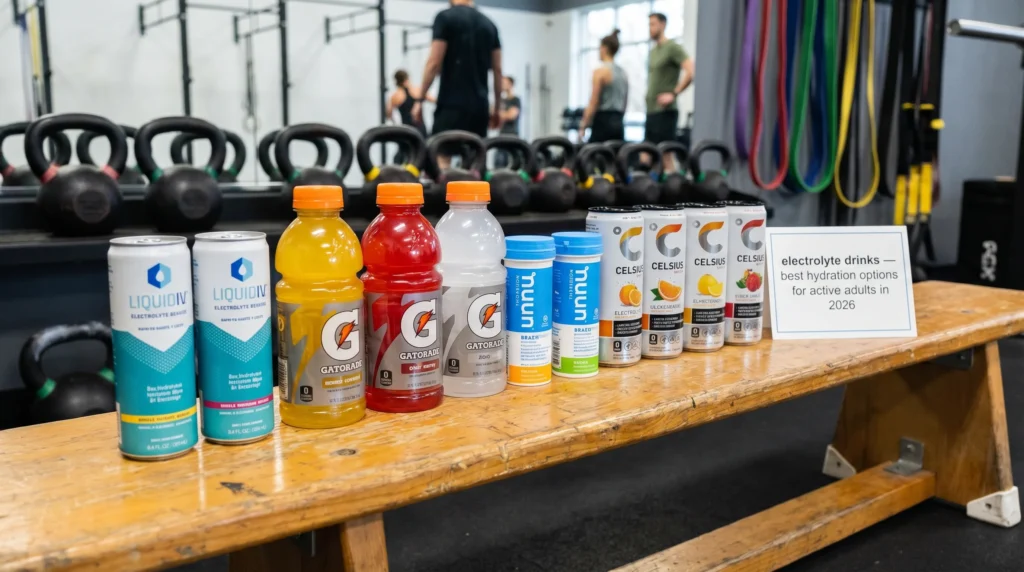
Electrolyte drinks have become extremely popular, and it is easy to see why. People use them after workouts, during hot weather, while traveling, after sweating heavily, or simply when they feel tired and dehydrated. But many traditional sports drinks come with a problem: they often contain a lot of sugar. That is why more people are now searching for the best electrolyte drinks without sugar.
A sugar-free electrolyte drink can be a smart choice when you want hydration support without extra calories, blood sugar spikes, or unnecessary sweetness. These drinks are designed to replace important minerals like sodium, potassium, magnesium, calcium, and chloride, which help the body maintain fluid balance, nerve function, and muscle movement. Electrolytes are naturally involved in many body processes, including hydration and chemical balance.
However, not every sugar-free electrolyte drink is automatically healthy or useful for everyone. Some are made for serious athletes, some are better for daily hydration, and some are simply flavored water with a small amount of minerals. The best option depends on your lifestyle, sweat level, diet, exercise routine, and personal health needs.
What Are Electrolyte Drinks Without Sugar?
Electrolyte drinks without sugar are beverages, powders, tablets, or packets that provide key minerals without regular sugar. They may be labeled as “zero sugar,” “sugar-free,” “no added sugar,” or “0g added sugar.” While these labels sound similar, they are not always the same, so it is important to read the nutrition label carefully.
A true zero-sugar electrolyte drink usually contains no total sugar and no added sugar. Some products use sweeteners like stevia, monk fruit, sucralose, or other low-calorie sweeteners to create a sweet taste without adding sugar. Others are completely unsweetened and taste more salty or mineral-like.
The main purpose of these drinks is to help replace electrolytes lost through sweat, heat, illness, or intense activity. Sports drinks are commonly marketed to replace fluids and electrolytes such as sodium, potassium, magnesium, and calcium during strenuous exercise. The sugar-free versions try to offer that same mineral support without the added sugar found in many regular sports drinks.
Why Choose Sugar-Free Electrolyte Drinks?
One of the biggest reasons people choose sugar-free electrolyte drinks is to avoid unnecessary added sugar. Regular sports drinks can be useful in long endurance events, but many people drink them casually when plain water would be enough. Drinking sugary sports drinks as everyday beverages can add extra calories to the diet.
Sugar-free electrolyte drinks are especially useful for people who are watching calories, following a low-carb or keto lifestyle, managing sugar intake, or trying to stay hydrated without sweetened beverages. They can also be helpful for people who work outdoors, sweat heavily, travel often, or exercise in hot weather.
Another benefit is flexibility. A sugar-free electrolyte powder or tablet can be carried in a gym bag, purse, backpack, or travel pouch. You can add it to water whenever needed instead of buying bottled sports drinks. This makes it convenient for workouts, long drives, flights, hiking, fasting periods, and busy workdays.
Best Types of Electrolyte Drinks Without Sugar
The best sugar-free electrolyte drinks usually fall into a few main categories. The first category is electrolyte powders. These come in small packets or tubs and are mixed with water. Powders are popular because they are portable, easy to dose, and often provide stronger electrolyte levels than ready-to-drink bottles.
The second category is electrolyte tablets. These dissolve in water and are useful for people who want a lighter, less messy option. Tablets are often less sweet than powders and can be great for daily hydration or moderate workouts. Some tablets contain a small amount of sugar, so always check the label before buying.
The third category is ready-to-drink electrolyte water. These products are already mixed and convenient, but they may contain fewer electrolytes than powders. They are good for simple hydration, gym use, or people who do not want to mix anything. The downside is that bottled options can be more expensive and less environmentally friendly than powders or tablets.
Best Electrolyte Drinks Without Sugar for Daily Hydration
For daily hydration, you usually do not need a super high-sodium formula unless you sweat a lot or your doctor recommends more sodium. A balanced sugar-free drink with moderate sodium, potassium, and magnesium is often enough for ordinary use. This type of drink works well for office workers, students, casual gym users, and people who simply want water to feel more refreshing.
Ultima Replenisher is one example of a sugar-free electrolyte powder designed more for everyday hydration. Its official nutrition information lists 0g total sugar, 0g added sugar, 0 calories, and electrolytes including potassium, magnesium, calcium, sodium, chloride, and phosphorus. This kind of formula may appeal to people who want a lighter electrolyte drink rather than a salty athletic formula.
Propel is another common zero-sugar option for people who prefer ready-to-drink bottles or drink mix packets. It is marketed as a zero-calorie, zero-sugar fitness water with electrolytes and vitamins. It may be convenient for casual hydration, though people who avoid artificial sweeteners should check the ingredient list before using it regularly.
Best Sugar-Free Electrolyte Drinks for Workouts
Workout hydration depends on how long and hard you exercise. For a short walk, light stretching, or a low-intensity gym session, plain water is usually fine. Cleveland Clinic notes that water is generally enough for low- or moderate-intensity activity lasting an hour or less.
For longer workouts, intense cardio, heavy sweating, hot weather training, or endurance sports, electrolytes become more important. Sodium is especially important because it is one of the main minerals lost through sweat. A drink with a meaningful amount of sodium can help replace what is lost and encourage better fluid retention.
LMNT is a popular sugar-free electrolyte mix for people who need higher sodium. Its official product page lists 1,000 mg sodium, 200 mg potassium, 60 mg magnesium, and no sugar per serving. This makes it better suited for heavy sweaters, low-carb athletes, endurance training, and hot environments rather than casual sipping all day.
Best Electrolyte Drinks Without Sugar for Keto and Low-Carb Diets
People following keto or low-carb diets often pay closer attention to electrolytes. When carbohydrate intake drops, the body may hold less water, and some people notice headaches, fatigue, cramps, or lightheadedness if their mineral intake is too low. A sugar-free electrolyte drink can be helpful in this situation.
For keto users, a good electrolyte drink should have 0g sugar, low or no carbs, enough sodium, and ideally some potassium and magnesium. High-sodium formulas may be useful for people who feel weak during the early stages of keto, but the right amount varies from person to person.
LMNT is often attractive to keto users because it is sugar-free and high in sodium. Ultima Replenisher may be better for people who want a lower-sodium daily option with a wider range of electrolytes. The “best” drink really depends on whether you need strong sodium support or a gentler everyday hydration mix.
Best Natural Sugar-Free Electrolyte Drink Options
If you want a more natural approach, you can make your own electrolyte drink at home. A simple version includes cold water, a small pinch of salt, lemon or lime juice, and optionally a sugar-free sweetener like stevia. This gives you sodium and flavor without added sugar.
Another option is mineral water. Some mineral waters naturally contain small amounts of magnesium, calcium, sodium, or bicarbonate. They are not always as strong as electrolyte powders, but they can support everyday hydration in a simple, unsweetened way.
You can also focus on electrolyte-rich foods. Leafy greens, avocados, nuts, seeds, yogurt, beans, and vegetables can provide minerals like potassium and magnesium. For most healthy people, a balanced diet plus water is enough most days, while electrolyte drinks are more useful during sweat-heavy or fluid-loss situations.
How to Choose the Best Electrolyte Drink Without Sugar
Start by checking the nutrition label. Look for total sugars, added sugars, calories, sodium, potassium, magnesium, and serving size. The FDA requires added sugars to be listed on Nutrition Facts labels, which helps consumers compare products more clearly.
Next, match the drink to your purpose. For casual daily hydration, choose a lighter formula. For long workouts, outdoor work, saunas, fasting, or heavy sweating, choose a drink with more sodium. For nighttime use, you may prefer a formula without caffeine, strong sweeteners, or stimulating ingredients.
Also pay attention to sweeteners and additives. Some people prefer stevia or monk fruit, while others dislike the aftertaste. Some products use sucralose or acesulfame potassium. None of these automatically make a product bad, but the best drink is one you tolerate well and can drink comfortably.
What Ingredients Should You Look For?
The most important electrolyte in many hydration drinks is sodium. Sodium helps the body hold water and replace what is lost through sweat. If a drink has almost no sodium, it may taste nice but may not be very effective for heavy sweating.
Potassium is another key mineral. It supports fluid balance and normal muscle function. NIH describes potassium as an essential nutrient and the main positively charged ion inside cells. A good electrolyte drink often contains some potassium, but too much potassium may not be safe for people with kidney issues or certain medications.
Magnesium and calcium are also helpful, though usually needed in smaller amounts in electrolyte drinks. Magnesium supports muscle and nerve function, while calcium plays a role in muscle contraction and many body processes. Chloride is also useful because it works with sodium in fluid balance.
What Ingredients Should You Avoid?
Avoid electrolyte drinks with hidden sugar if your goal is sugar-free hydration. Some products say “healthy,” “natural,” or “hydration blend” but still contain sugar, cane sugar, dextrose, glucose, fructose, honey powder, or fruit juice concentrate. These may be fine for endurance sports, but they are not ideal if you specifically want no sugar.
Be careful with drinks that contain too much sodium for your lifestyle. A high-sodium electrolyte drink may be useful for heavy sweating, but it may not be suitable for people with high blood pressure, kidney disease, heart conditions, or sodium restrictions. Anyone with a medical condition should ask a healthcare professional before using electrolyte supplements regularly.
Also watch out for unnecessary stimulants. Some hydration products include caffeine or energy-style ingredients. That can be useful before a workout, but it is not ideal for evening hydration, children, or people sensitive to caffeine. A clean sugar-free electrolyte drink should match your needs without adding ingredients you do not want.
Are Sugar-Free Electrolyte Drinks Better Than Water?
Sugar-free electrolyte drinks are not always better than water. For everyday hydration, plain water is still the best and simplest choice for many people. If you are eating a normal diet and not sweating heavily, you may not need extra electrolytes every day.
Electrolyte drinks become more useful when the body is losing fluids and minerals. This can happen during long workouts, hot weather, outdoor labor, sauna use, vomiting, diarrhea, or long travel days. In those situations, electrolytes may help restore balance more effectively than water alone.
The key is not to overuse them. More electrolytes do not always mean better hydration. Too much sodium, potassium, or magnesium can cause problems, especially in people with medical conditions. Use sugar-free electrolyte drinks as a tool, not as a replacement for a healthy diet and regular water intake.
Best Electrolyte Drinks Without Sugar: Practical Recommendations
For everyday hydration, choose a low-calorie, zero-sugar drink with moderate electrolytes and a taste you enjoy. Ultima Replenisher is a good example of this style because it contains 0g sugar and a broad electrolyte profile. It is better for daily sipping than for replacing major sodium losses.
For intense workouts or heavy sweating, choose a stronger sodium-based formula. LMNT is an example of a high-sodium sugar-free electrolyte drink. It may be useful for athletes, people who sweat heavily, and those training in heat, but it may be too salty or too sodium-heavy for casual use.
For convenience, ready-to-drink zero-sugar electrolyte waters like Propel can be useful. They are easy to grab, widely available, and simple to use. However, they may contain artificial sweeteners and may not provide as strong an electrolyte dose as powders made for endurance or heavy sweating.
Who Should Use Sugar-Free Electrolyte Drinks?
Sugar-free electrolyte drinks can be useful for athletes, gym users, runners, cyclists, hikers, travelers, outdoor workers, and people who sweat a lot. They can also help during hot weather when the body loses more fluid than usual.
They may also be useful during short-term fluid loss, such as after vomiting or diarrhea. In those cases, hydration matters, but severe dehydration should be taken seriously. Medical attention may be needed if symptoms are strong, prolonged, or involve dizziness, confusion, fainting, or inability to keep fluids down.
People on low-carb diets, people who fast, and people who drink a lot of water but still feel depleted may also benefit from electrolytes. Still, the right product and dose matter. A high-sodium formula is not necessary for everyone.
Who Should Be Careful With Electrolyte Drinks?
People with high blood pressure, kidney disease, heart disease, or fluid restrictions should be careful with electrolyte drinks, especially high-sodium or high-potassium products. These minerals affect fluid balance and can interact with certain health conditions.
People taking medications that affect sodium, potassium, blood pressure, or kidney function should also be cautious. This includes some diuretics, blood pressure medications, and heart medications. In these cases, it is better to ask a doctor before using electrolyte powders regularly.
Children should not drink sports drinks or electrolyte products casually unless there is a clear reason. For normal play and light activity, water is usually enough. If a child is sick or dehydrated, parents should follow medical advice rather than guessing with adult electrolyte supplements.
Final Thoughts
The best electrolyte drinks without sugar are the ones that match your body, lifestyle, and hydration needs. A daily hydration drink should be light, easy to drink, and free from unnecessary sugar. A workout drink should provide enough sodium and other electrolytes to replace what you lose through sweat.
For everyday use, a balanced zero-sugar powder or ready-to-drink electrolyte water can be a good choice. For heavy sweating, intense workouts, keto, fasting, or hot weather, a stronger electrolyte formula may work better. For people who prefer a natural option, mineral water or a homemade salt-and-lemon drink can also be useful.
The main rule is simple: choose a sugar-free electrolyte drink based on your actual need, not just the trend. Read the label, check the sodium level, avoid hidden sugars, and pay attention to how your body feels. Used correctly, sugar-free electrolyte drinks can be a clean, convenient, and effective way to support hydration without loading your body with extra sugar.
